Protect Your Lawn from Weeds: Pro Tips from the Experts at BH Lawn & Landscape Jun 25, 2026
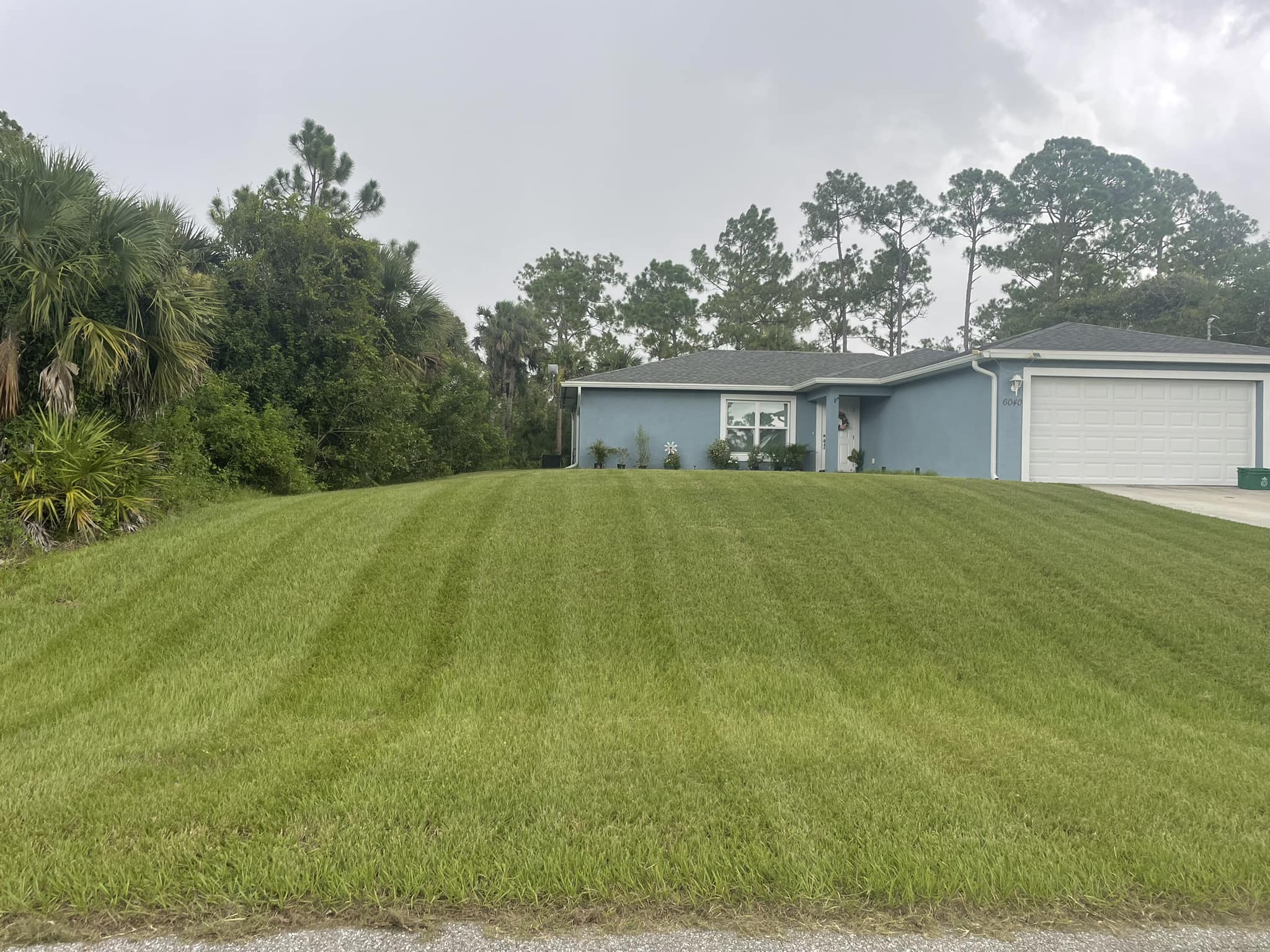
To start, the foundation of any healthy lawn relies heavily on proper lawn care practices. Regular mowing, watering, and fertilization form the trifecta of a well-maintained lawn. When these are done correctly, your grass becomes more competitive against weeds. Regular mowing ensures that weeds are cut back before they can seed and spread, while proper watering helps grass grow deep roots, starving weeds of the space they need to flourish. Fertilization provides the nutrients your grass needs to grow strong and vibrant, outcompeting the weeds that vie for those same nutrients.
However, when it comes to weeds, prevention is better than cure. One effective preventive measure is the application of a pre-emergent herbicide in early spring. Pre-emergent herbicides work by preventing weed seeds from germinating. For the best results, timing is crucial. Apply these before the growing season is in full swing to thwart weeds like crabgrass and dandelions.
Understanding weed identification can also be a powerful tool. Not all weeds are created equal; some are simple annuals, while others are perennial and can spread more aggressively. Knowing what type you’re dealing with helps in selecting the right eradication method. For instance, hand pulling might be sufficient for a few isolated annual weeds but might not work as well for a dense patch of perennial weeds with deep root systems. In such cases, targeted post-emergent herbicides might be necessary.
Maintaining proper lawn density is another crucial tactic. A thick lawn prevents weeds by limiting space and resources they need to sprout. Overseeding is a wonderful practice to maintain density, especially in cooler seasons when grass varieties like rye and bluegrass thrive. Overseeding fills in the bare spots that weeds love, adding to the lushness and resilience of your lawn.
Mulching can also play a supportive role in weed control. By spreading a layer of organic mulch in garden beds and around trees, you help retain soil moisture, regulate temperature, and prevent sunlight from fostering weed growth. While this technique is typically used in garden areas, its principles can also be adapted for lawns with appropriate ground covers.
Lastly, consistent monitoring is key. Regularly inspecting your lawn allows you to catch weed problems early before they spread. Keeping a vigilant eye on factors such as lawn thickness, soil composition, and moisture levels can make all the difference between a lawn struggling with weed infestations and one that thrives.
At BH Lawn & Landscape, our advice is simple: stay proactive. With these tips, your lawn will not only fend off unwanted weeds but will flourish beautifully. For further guidance or services tailored specifically to your lawn’s needs, contact us. Let us help you maintain the lawn of your dreams, weed-free and healthy.